Residential Stamped Concrete for Your Home
Request an estimate
Residential stamped concrete is a poured slab that is colored and pressed with patterns. It can look like slate, brick, cobblestone or wood, but it stays one solid surface. Homeowners often pick it for patios, walkways and pool decks when they want style without setting thousands of small pieces. Because the finish is custom, the price depends on size, pattern, color and site prep.
Allowedbreast Concrete is a referral service. The providers in our network do the work, not us. We connect you with independent local providers who quote the job in writing. Compare written quotes, ask about timing in the Overland Park area, and plan around the weather so your new surface cures under good conditions.
Planning New Stamped Concrete
Stamped concrete is a poured slab that gets color and a pressed pattern. It can mimic stone, brick or wood. If you are searching for it, you probably want a new surface that looks richer than plain gray.
This page covers new work only. It is not about concrete driveway repair or fixing an old slab. It will help you think through price, timing and choices before anyone mixes a batch.
Timing Comes First
Why the Season Matters
Fresh concrete is picky about weather. Hard sun dries the top too fast. Hail, high wind and sudden spring storms can mark a surface that is still soft. Cold dry winters slow curing and can damage a pour that is not protected.
A Simple Seasonal Calendar
- Spring: Busy season. Storm delays are common, so schedules can shift.
- Summer: Hot days call for early starts and careful curing.
- Fall: Often a comfortable window, before the cold sets in.
- Winter: Many providers pause. Cold pours need extra steps and cost more.
Plan around the weather and ask for a start window, not one fixed date.
How Stamped Concrete Is Made
Pour and Color
The crew preps the ground and sets a gravel base and forms. Then concrete goes in. Color is either mixed into the batch or dusted on the surface. A second shade can add depth, like the look of aged stone.
Pressing the Pattern
While the slab is still workable, the provider presses rubber mats or tools into it. Timing is tight. Press too early and the surface slumps. Press too late and the pattern will not take. This is why skill matters more than the mat itself.
Cutting and Sealing
Joints are cut so the slab can crack in a neat line instead of a random one. After curing, a sealer protects the color and adds the sheen you pick, from matte to glossy.
Patterns and Colors
Pattern Choices
Popular looks include ashlar slate, running-bond brick, cobblestone and wood plank. Simple patterns cost less than ones with borders and mixed layouts. Ask to see a sample board in daylight.
Color Choices
Earth tones such as tan, gray and soft brown tend to suit ranch homes and frame siding. Darker colors can get hot in summer sun. Lighter colors show dirt more. Think about how you will use the space.
Where Stamped Concrete Works Well
Patios, Walks and Pool Decks
Stamped concrete patios are the most common use. Walkways, steps and pool surrounds also work. Many homeowners pair it with a plain gray border to keep costs in check.
Wide Lots and Ranch Homes
A wide lot gives room for a big patio, and size is the biggest driver of price. Near a basement or storm cellar entry, ask how the slab will slope so water runs away from the house.
Stamped Concrete vs. Pavers
Pavers are set piece by piece. A single damaged paver can be lifted and swapped. Stamped concrete is one slab, so it goes in faster and has fewer joints for weeds. On the other hand, a crack is harder to hide.
Upfront prices often land close together. Over time, stamped concrete needs resealing, and pavers need joint sand and occasional leveling. Compare written quotes for both if you are unsure.
What Drives the Price
Price the whole slab, not just the pattern. Size, base prep, thickness, color, pattern, sealer and removal of old concrete all count. Ask each provider to list them as separate lines.
If you also see signs of settling near the house, that is a separate matter. Foundation repair experts handle that, and it should be sorted out before any new flatwork goes in.
How Long the Job Takes
A typical patio can take several days from forms to first sealing. Add curing time before heavy use. Weather delays are normal, so build in extra days. Concrete flatwork is rarely rushed well.
Caring for Stamped Concrete
Sweep often and rinse with a hose. Use mild cleaner, not harsh acids. Reseal every few years, as the provider advises. Be careful with de-icing salt in winter, since it can wear the surface and sealer.
Choosing a Provider
Ask for a written quote, a start window and a plan for curing. Ask what happens if rain or hail is forecast on pour day. Ask how the pattern will be matched at edges. Compare at least two or three quotes.
Request a callback to check provider availability, or use the form to request an estimate.
What's Included
Pattern Choice
Pick from slate, brick, cobblestone or wood looks with providers in our network.
Color and Finish
Choose base color, accent shade and sealer sheen to match your siding and landscaping.
Site Prep Planning
Base, forms and grading are discussed so the slab sheds water away from your home.
Written Quote Review
Compare line-by-line quotes so you know what is included in each provider's price.
Typical Stamped Concrete Costs
These are typical U.S. ranges and they vary by job, region and season. Use them to sanity-check quotes, then ask each provider for a written breakdown of the full slab.
| Item | Typical range | Notes |
|---|---|---|
| Plain gray slab (for comparison) | $6 – $12 per sq ft | Baseline to compare against stamped quotes |
| Stamped slab, standard pattern | $12 – $20 per sq ft | Single color and simple layout |
| Complex pattern or two-tone color | $18 – $30 per sq ft | More labor and finishing skill |
| Base prep and grading | $1 – $4 per sq ft | Varies with soil and slope |
| Sealer, first coat | $1 – $3 per sq ft | Resealing later adds cost |
| Removal of old concrete | $2 – $6 per sq ft | Only if something is in the way |
How It Works
Request an Estimate
Tell us about your project, size and preferred season using the simple request form on this page.
Get Matched
A local provider in our network may reach out to discuss your project details.
Compare Written Quotes
Review line items for size, base prep, pattern, color and sealer before choosing.
Schedule Around Weather
Agree on a start window and a backup plan in case storms arrive.
Why Call Allowedbreast Concrete
Plan Before You Pour
Learn price drivers and seasonal timing before anyone starts work on your property.
Local Providers
Independent providers know area weather, soil and what suits local homes.
Written Quotes
Providers quote the job in writing, so comparing is simple and fair.
No Pressure
Request an estimate with no obligation and take your time to decide.
Other Services
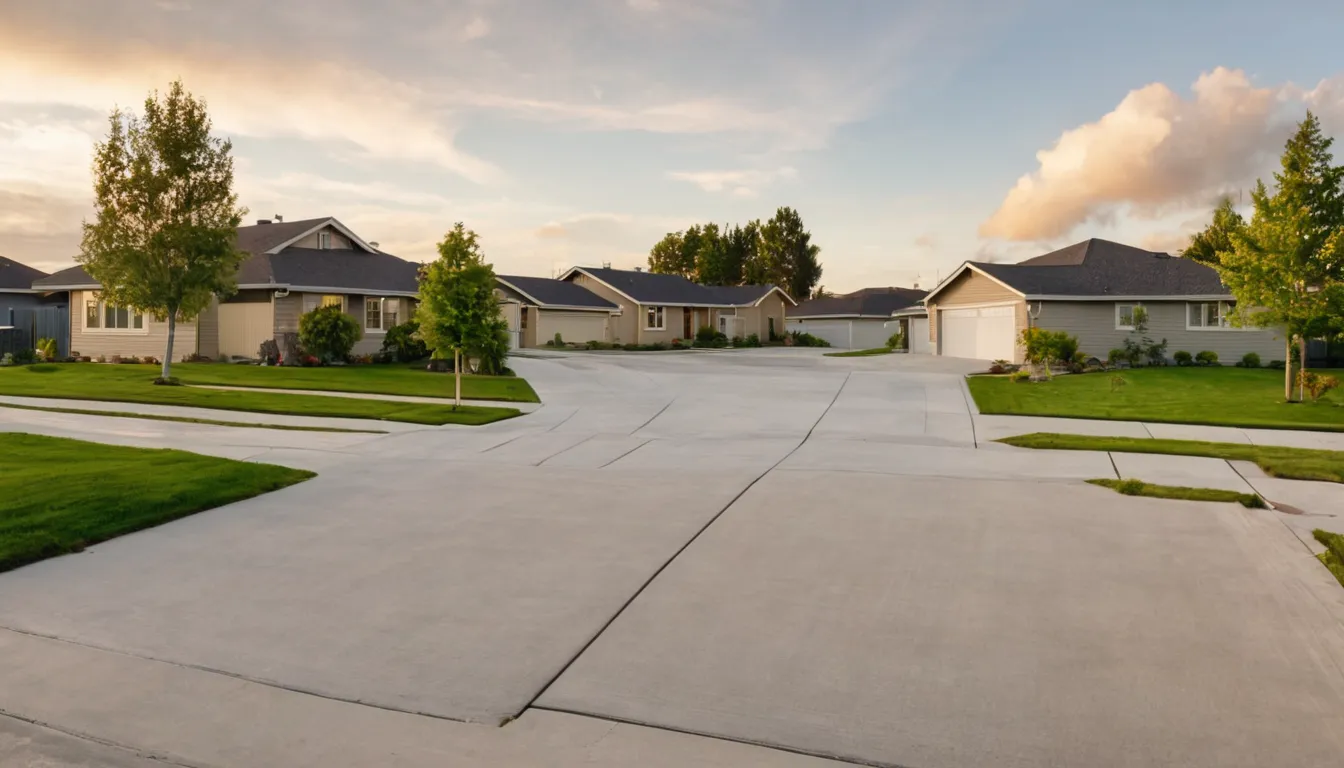
Need residential stamped concrete in Overland Park?
Tell us about your driveway or patio. Request an estimate and a local provider can follow up to talk through size, finish and timing.
No obligationResidential Stamped Concrete FAQ
How much does stamped concrete cost per square foot?
Typical U.S. prices run about $12 to $30 per square foot, depending on pattern, color and site prep. Costs vary by job and region, so get a written quote that lists each part.
When is a good time of year to pour stamped concrete?
Mild, dry weather is usually ideal, which often means fall or a calm stretch in spring. Extreme heat, hail, high wind and cold snaps can harm a fresh pour, so ask providers about weather plans and flexible start windows.
Is stamped concrete better than pavers?
It depends on your goals. Stamped concrete is one slab with fewer joints, while pavers can be swapped one at a time. Compare written quotes and long-term care needs for both.
Get in touch
Tell us about your driveway or patio. Request an estimate and a local provider can follow up to talk through size, finish and timing.
No obligation